
You know how to build. That part comes naturally.
The hard part is finding buyers who value your work and pay a fair price.
This guide covers everything — photos, pricing, platforms, and local buyers. Follow each step and selling gets much easier.
Want to see how listings look? Browse the Asherfield marketplace and see real pieces from local makers.
Jump to section
Why finding buyers is the real challenge
Most general platforms were not built for furniture.
They were built for fast, small, easy-to-ship items.
Furniture is different. It is heavy. It needs local pickup. It needs a serious buyer.
Instead, you get lowballers. You get the same questions over and over. You get people who never show up.
That is not a you problem. That is a platform problem.
Heavy pieces need local buyers who are ready to commit.
Asherfield was built for exactly this. It connects furniture makers with local buyers who pick up, pay cash, and mean it.
-
Less noise. More real intent.
Fewer lowballers. Buyers who message mean it.
-
Built for local pickup.
No shipping. No damage. No drama.
-
Made for makers.
Your listings reach people looking for handmade furniture specifically.
-
Simple seller dashboard.
Manage listings, mark items sold, and stay organized.
Step 1 — get your listings right
A great piece deserves a great listing. Here is how to do it right.
Photos that do the work for you
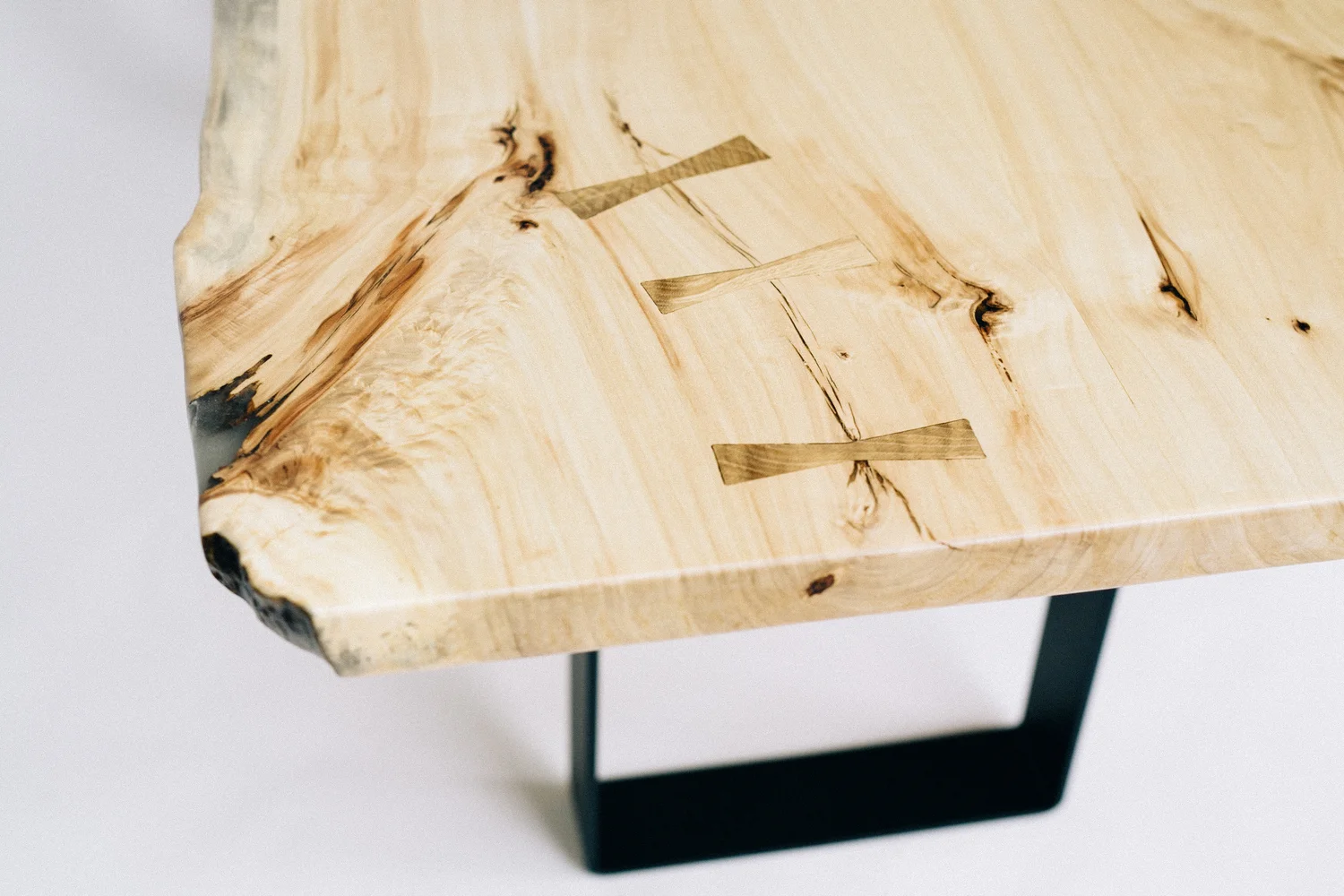
Good photos close more sales than any other single thing.
Here is what works:
- Shoot in natural light — near a window or outdoors.
- Use a clean, simple background. Clutter kills the listing.
- Take multiple angles — front, side, top, legs, and joints.
- Show scale. Put a common object next to the piece.
- Show any flaws honestly. Buyers trust you more for it.
You do not need a professional camera. A phone in good light is enough.
Details buyers actually need
Clear details mean fewer back-and-forth messages.
- Dimensions — exact inches, length by width by height.
- Materials — wood species, finish type, hardware used.
- Condition — new, lightly used, or restored.
- Pickup details — city, zip, and any access notes.
- Price — state whether it is firm or open to offers.
Complete listings attract better buyers. Vague listings attract headaches.
Answer their questions before they ask and you will spend less time in your inbox.
Step 2 — pick the right place to sell
Not every platform works for handmade furniture. Most are too broad.
You want a platform where buyers are already looking for furniture. Not one where your piece competes with phone cases and old clothes.
Asherfield connects sellers with local buyers who pick up and pay cash.
You can list for free. Boost your listing for more visibility when you want it. Manage everything from one simple seller dashboard.
Create your free listing on Asherfield and reach buyers who are ready to buy.
Not sure which platform fits your situation? Read our guide to the best places to sell custom furniture and compare your options.
Step 3 — price your work fairly
Most makers underprice their work. Do not do this.
Your price needs to cover materials, labor, and overhead. All three.
A good piece should return more than it cost to build. That is not greed. That is a business.
Do not drop your price just to move something faster.
A better listing in the right marketplace finds the right buyer at the right price.
Learn exactly how to build your numbers in our guide on how to price handmade furniture.
Step 4 — find local buyers who pay cash
Local sales are the best sales for furniture makers.
No shipping. No damage risk. No waiting two weeks for a payout.
Buyers who can see the piece in person are more confident. They commit faster and pay without friction.
Here is how selling on Asherfield works:
-
Create your free listing
Add photos, condition, size, and pickup details. Takes just a few minutes.
-
Get better buyer messages
Clear listings cut repeat questions and junk replies. You hear from buyers who are ready.
-
Coordinate pickup
Buyers and sellers work out pickup directly. Need delivery help? Lugg offers on-demand furniture pickup service.
-
Mark it sold
Update your listing in the seller dashboard when it sells. Keep your page fresh and accurate.
The seller dashboard also lets you manage booking and availability. Block off dates when you are not available for pickup. That alone saves a lot of back-and-forth.
Want more tips for moving pieces quickly? Read our guide on how to sell furniture locally fast.
Step 5 — grow your reputation over time
Every sale is a word-of-mouth opportunity.
Buyers talk. A smooth, honest transaction gets remembered. And recommended.
Be easy to work with. Respond clearly. Show up when you say you will.
Mark items sold as soon as they are gone. It keeps your listings accurate and your profile looking active.
Build a consistent style over time. Buyers who love one piece come back for another.
One good listing at a time is all it takes to build something real.
Ready to reach better buyers?
Create your free account. List your first piece. Get in front of local buyers who pay cash.
Try for free →People also ask
Is it hard to sell handmade furniture?
The craft is not the hard part. Finding the right buyers is. Once you are in the right marketplace, the right buyers find you. A clear listing does most of the heavy lifting.
How do I find local buyers for my furniture?
Start with a clear listing and the right platform. Asherfield connects furniture makers with local buyers who pick up and pay cash. No shipping, no guessing.
How should I price handmade furniture?
Add up your materials, your labor hours, and your overhead. Then add your margin. Most makers underprice because they forget to count their own time. See our full breakdown on how to price handmade furniture.
Do I need a business license to sell furniture I make?
It depends on your location and how much you sell. Many makers start without one. Check with your local city or county office to be sure. SCORE offers free small business resources and mentoring that can help you figure out next steps.
What furniture sells fastest for home builders?
Dining tables, coffee tables, benches, and bed frames tend to move quickly. Buyers always need these. See our guide on the best furniture to make and sell for a full breakdown.
Helpful resources
These links are worth bookmarking if you are building a furniture business.
- SCORE small business resources — free mentoring, startup guides, and templates for new business owners.
- The Wood Database — species info, workability ratings, and pricing data for furniture makers.
- Fine Woodworking — a trusted resource for furniture building technique and craft.
- Lugg — on-demand delivery help for furniture pickups when buyers need a hand moving a piece.