
To start a furniture store, pick one niche and one clear sales path.
Start a furniture store small, prove demand, then grow what works.
You do not need a giant showroom first.
You need a simple plan, clean inventory, and a smooth buying process.
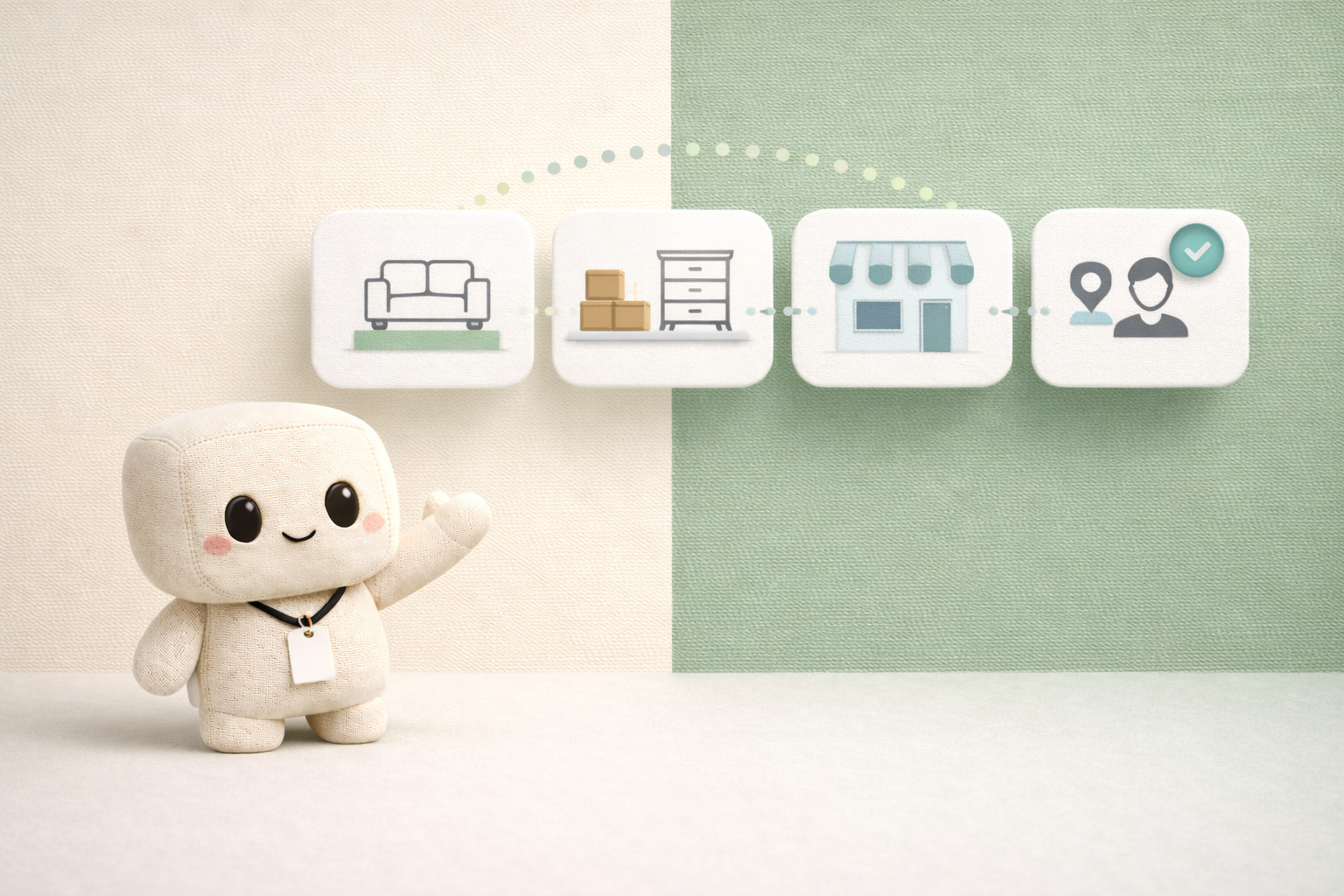
Start a furniture store with a simple plan
Most new stores fail from too much complexity.
They buy too much stock.
They chase too many buyers.
They build too much before demand is clear.
The better move is smaller and cleaner.
Start with one strong idea
Pick one kind of buyer.
Pick one kind of product.
Make the offer easy to understand.
Keep your first version lean
You can start online first.
You can start from a warehouse.
You can start with a small showroom.
You can also mix these over time.
If you need the broader picture first, choose the right business model.
Pick your niche and price point
Do not try to sell every kind of furniture.
That is how stores get messy fast.
Choose a niche buyers can understand
- Modern living room pieces
- Solid wood dining sets
- Bedroom basics
- Office and work-from-home pieces
- Luxury resale furniture
- Clean, buyer-ready secondhand pieces
Choose a price point early
Low price brings more volume and more noise.
Higher price can mean fewer buyers but better fit.
Pick the range you can source and present well.
Stock what solves one clear problem
A buyer should know why your store exists.
If they cannot tell, your niche is too broad.
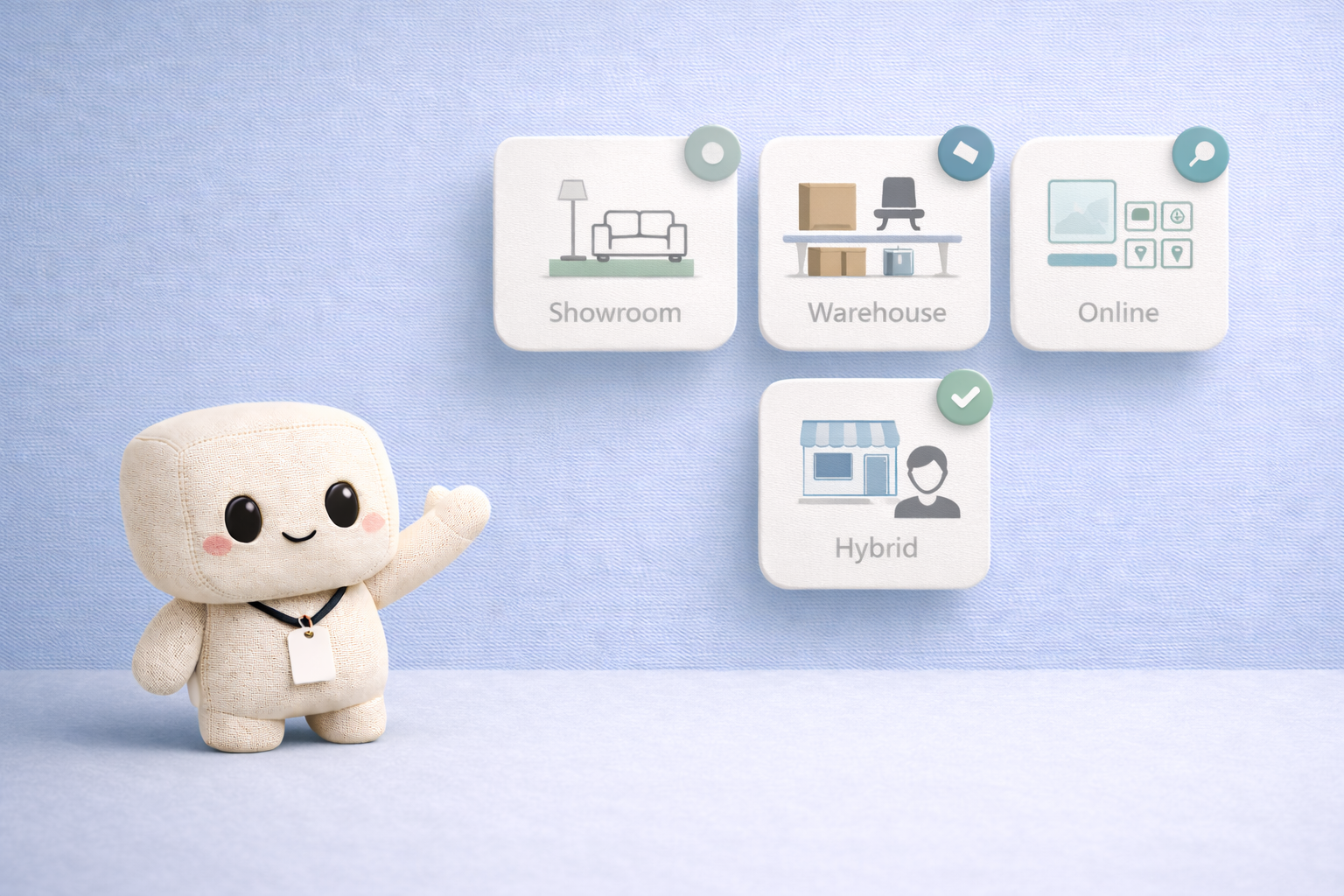
Choose showroom, warehouse, online, or hybrid
Showroom
Best if buyers want to see and touch your pieces.
It can build trust fast.
It also costs more.
Warehouse
Best if you need stock space first.
This can work well for local appointments and delivery.
Online first
Best if you want the leanest start.
You can test demand before taking on bigger overhead.
Hybrid
Best if you want online reach and local trust.
You might show some pieces in person and sell more online.
Location choices can affect taxes, legal requirements, and revenue, so keep your setup lean until the numbers prove the next step. :contentReference[oaicite:2]{index=2}
Set up inventory, delivery, and payments
Inventory
Do not overbuy.
Start with pieces you can price with confidence.
Track size, condition, source cost, and sale target.
Delivery
Furniture is bulky.
Delivery and pickup are part of the product.
Decide early if you will offer local delivery, pickup only, or both.
Payments
Make checkout easy.
Use a simple system that works online and in person.
If you run both, keep inventory synced so you do not oversell.
Shopify’s current POS docs support in-person sales, location-based inventory, shipping from POS, and synced stock tracking across locations. :contentReference[oaicite:3]{index=3}
If you want the numbers first, see startup costs.
Set up the business side early
Do the boring basics early.
That saves pain later.
- Choose your name
- Pick your structure
- Register the business
- Check tax ID needs
- Apply for licenses and permits
- Open a business bank account
- Get insurance if needed
SBA’s current launch checklist covers those steps, and IRS says EINs are free and should follow state formation for entities like LLCs and corporations. :contentReference[oaicite:4]{index=4}
Build your store plan before you spend big.
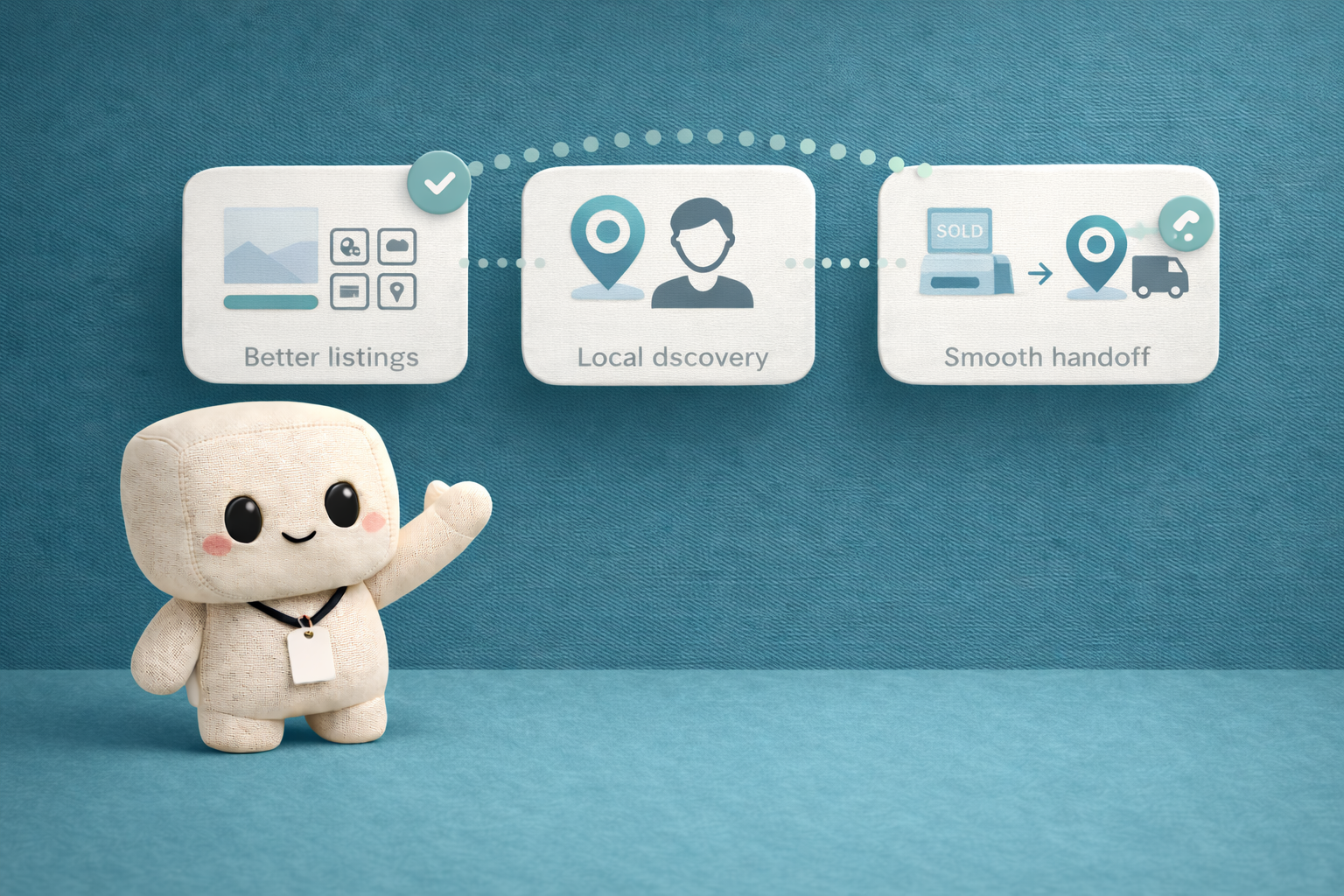
Get your first 10 buyers
Your first goal is not scale.
Your first goal is proof.
Start with buyer-ready pieces
Use pieces that photograph well.
Use pieces with clear size, condition, and style notes.
Write listings that answer real questions
Show dimensions.
Show materials.
Show flaws honestly.
Explain pickup or delivery clearly.
Reply fast and keep it simple
Messy replies kill momentum.
Make the next step obvious.
Use one repeatable process
Inquiry.
Confirm.
Payment.
Pickup or delivery.
If you need the leanest start, start smaller from home.
Add Asherfield to widen local reach
Asherfield works best for clean, desirable, buyer-ready pieces.
It gives sellers a calmer path than typical marketplace chaos.
That matters when the item is premium enough to deserve better presentation.
Why add Asherfield early
- Less back and forth
- Better buyer fit
- Easier local pickup
- Less sketchy handoff feel
- Better fit for premium-condition pieces
If you already have buyer-ready inventory, list buyer-ready pieces free.
Need your own store too?
If you want a branded storefront with checkout, Shopify is one path.
Start a Shopify trial (affiliate link)
Need your state’s rules?
Store rules can change by state and city.
Helpful internal links
Helpful resources
FAQ
How do I start a furniture store?
Pick a niche, choose a lean setup, and start with a small test inventory.
How much money do I need to open one?
It depends on your model, rent, inventory, and delivery setup.
Can I start online first?
Yes. That is often the leanest way to test demand.
What furniture should I stock first?
Stock pieces you can source well, price well, and present clearly.
Can Asherfield help if I sell beds or other furniture too?
Yes. Asherfield can help with bed frames and other buyer-ready furniture too.
Ready to start your store?
Start with clean, buyer-ready pieces and one clear listing path.