

How to sell high-end furniture online

High-end furniture sells best when buyers can see the condition, material, and size clearly.
The right channel depends on urgency, piece size, buyer type, and effort.
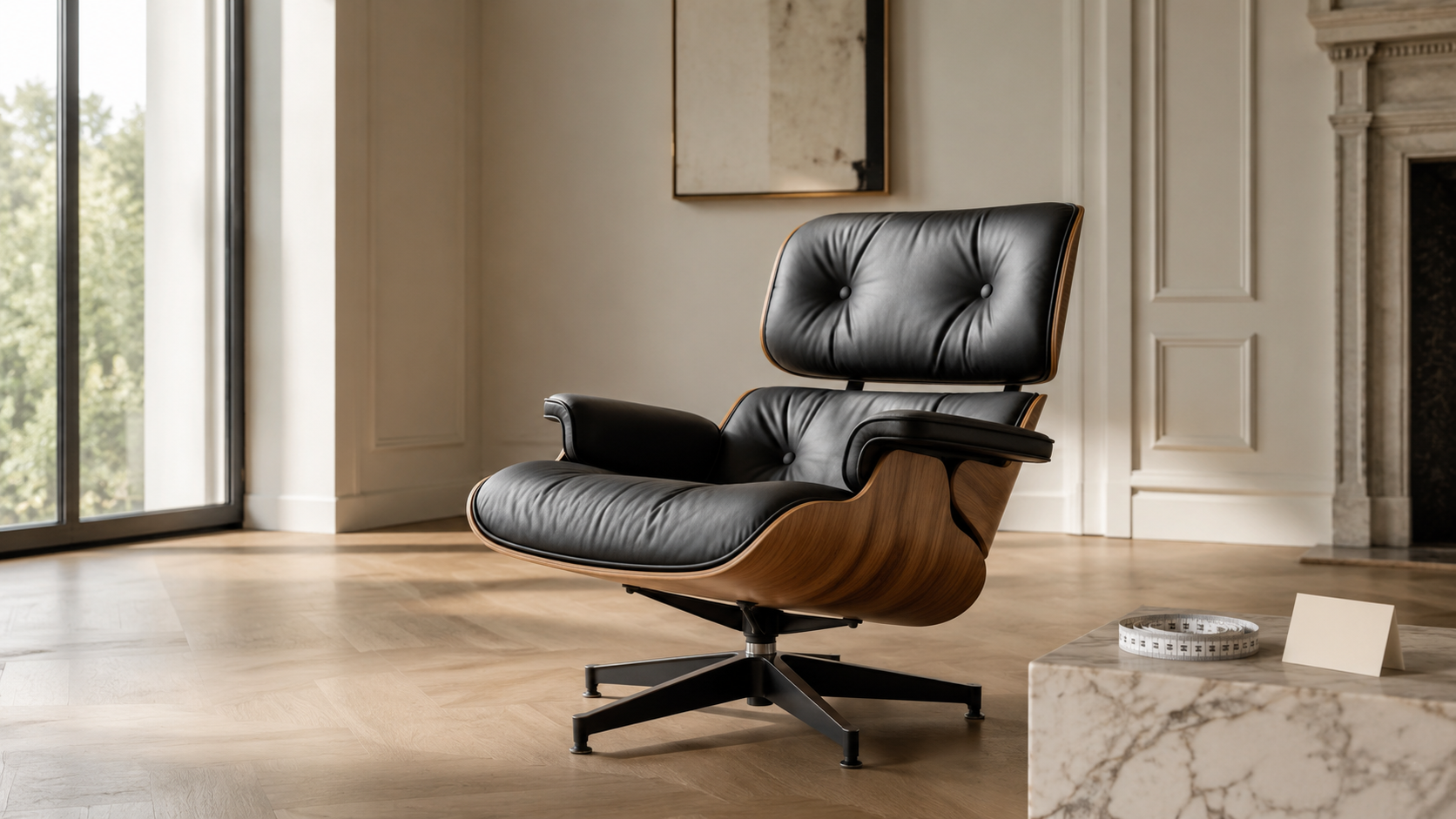
Best places to sell high-end furniture online
No single platform works best for every piece. The right choice depends on the item, the price, and your timeline.
| Platform | Best for | Seller effort | Buyer fit | Shipping/pickup | Fees/commission | Trade-off |
|---|---|---|---|---|---|---|
| Asherfield | Local high-value sellers; large or heavy pieces | Low to medium | Local buyers searching for furniture | Local pickup | No commission; listing plans from free | No freight complexity; audience is local |
| Chairish | Designer, vintage, and curated pieces | Medium to high | National design buyers | Usually ships | Commission-based; varies by seller tier | National reach; commission applies to each sale |
| 1stDibs | High-end antiques and collectibles | High | Trade and collector buyers | White glove or freight | Listing subscription plus sales commission | Premium buyer pool; high bar to list |
| Facebook Marketplace | Fast local sales; broad exposure | Low | Anyone nearby | Local pickup | Free | High volume; lower buyer intent |
| Local dealer | Quick outright sale; documented provenance | Low | Dealer buys direct | No shipping needed | Dealer buys at trade price | Fastest path; lowest net price |
| Auction house | Rare or high-demand pieces | Medium | Regional or national bidders | Varies by house | Seller's commission; varies by house | Can exceed asking price; outcome not guaranteed |
| Consignment shop | Hands-off local selling | Low | Walk-in customers | No shipping needed | Commission on sale; varies by shop | Easy to start; slower pace |
What makes high-end furniture different to sell
Reach local buyers and sellers on Asherfield.
Reserve a spotA standard used furniture sale is simple. High-end pieces require more from the seller.
Material matters. Buyers need to know exactly what they are buying.
"Solid walnut" and "walnut veneer" are not the same thing. Neither are "leather" and "bonded leather."
Condition matters. A piece with undisclosed damage creates problems after the sale. Describing condition honestly closes sales faster.
Brand and maker matter. Known makers — designer studios, heritage brands, recognized craftspeople — can affect price significantly. Name them if you can.
Dimensions matter. Buyers often have a specific space in mind. A listing without measurements loses serious buyers before they reach out.
Pickup logistics matter. Large pieces need clear access details and realistic expectations. State what the buyer needs to bring.
Patience matters. Overpricing stalls the piece. Under-describing scares off buyers who need details before committing.
How to photograph and describe premium pieces
Good photos do more selling than a good description. Both matter.
Use even, natural light. A window on a bright day beats overhead lighting or flash.
Photograph the full piece from multiple angles. Front, side, and back views help the buyer judge scale and proportion.
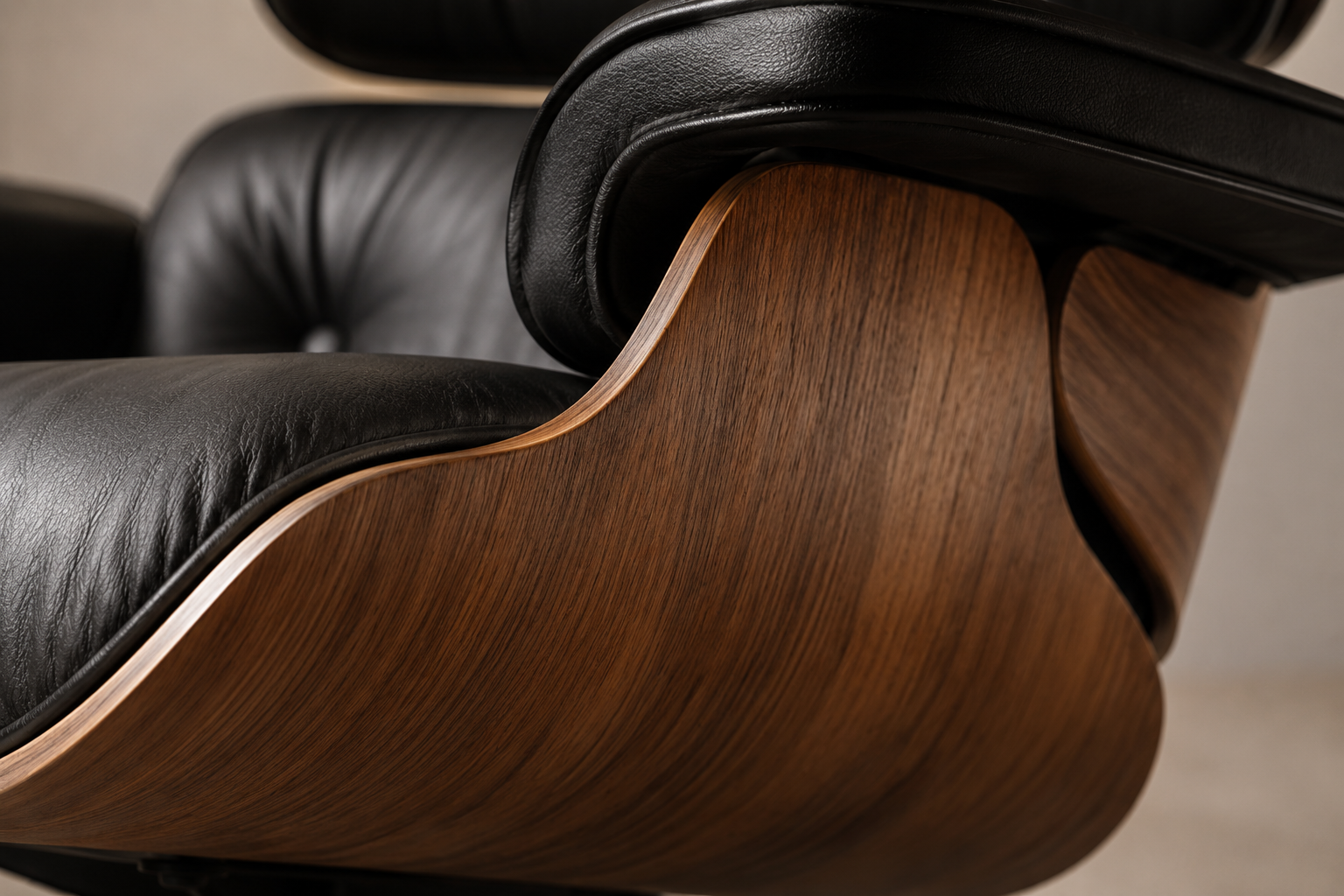
Show close-up details. Wood grain, joinery, upholstery texture, and original hardware tell buyers what a wide shot cannot.
Show flaws clearly. A small crack photographed well avoids a hard conversation on pickup day.
If the piece has a label, stamp, or maker mark, photograph it. Buyers who search by maker will notice.
In your description, name the material, finish, and condition. List exact dimensions: height, width, and depth.
Explain what pickup requires. A buyer with all the details before reaching out is a serious buyer.
How to price high-end furniture
Start with what similar pieces have actually sold for. Asking prices are not the same as sold prices.
Search for pieces with comparable style, material, and condition. Check sold listings when possible, not just active ones.
Decide between a fast sale and a patient one. A fast sale means pricing at the low end of the fair range.
A patient sale means holding closer to the top of that range.
Condition, original hardware, documented age, and a known maker push price up. Repairs and undocumented provenance push it down.
A resale value tool can help you benchmark a piece before listing.
More on pricing: how to price used furniture.
Local vs national selling
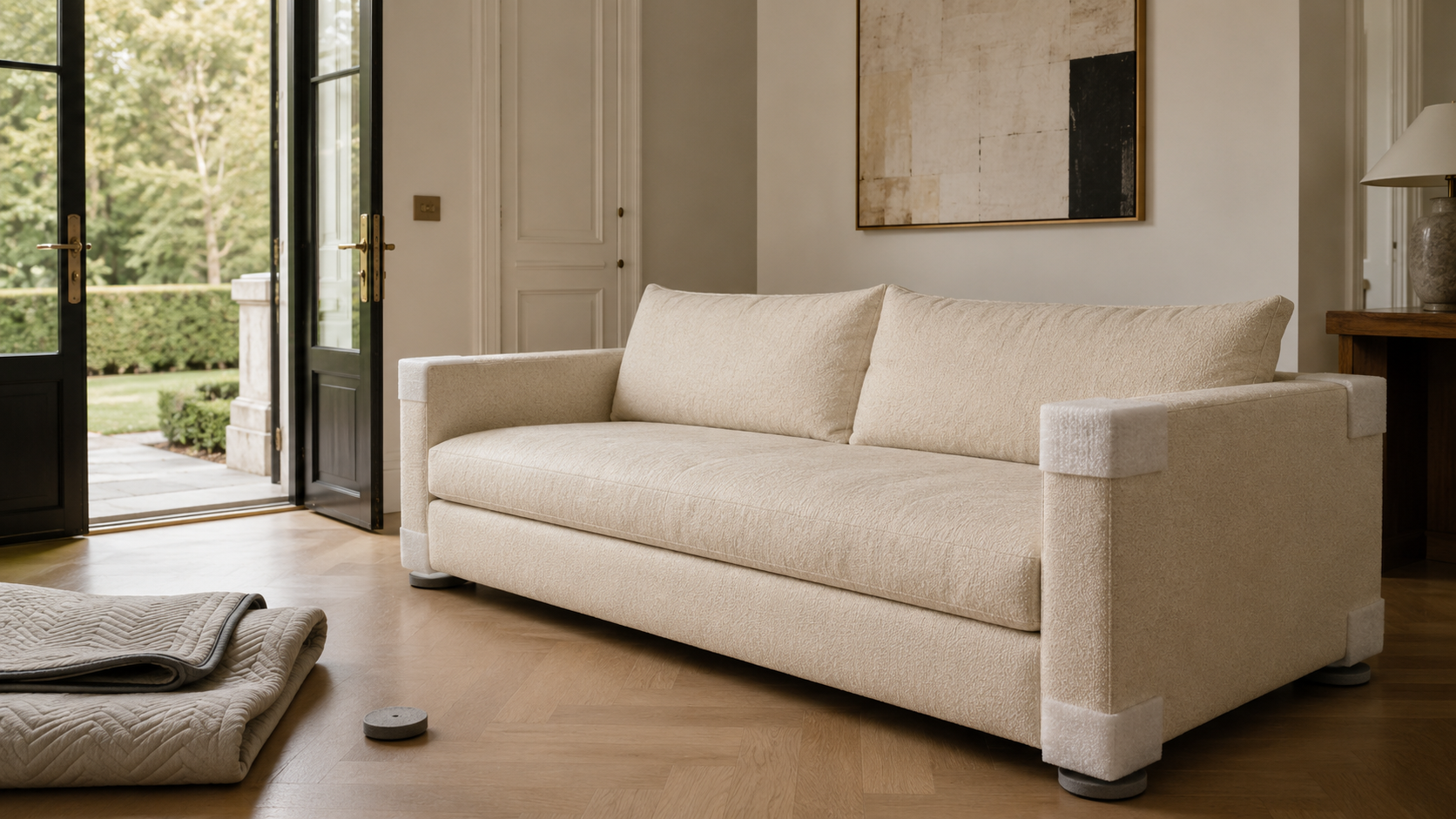
Large, heavy pieces almost always sell better locally. Freight is expensive and can damage fine finishes.
A dining table, wardrobe, or large sofa can cost hundreds to ship. Most buyers will not pay that on top of a premium price.
National platforms work better for smaller or highly collectible pieces. The buyer needs to be willing to pay for shipping.
Commission costs apply on most national platforms. Factor that into your listing price before choosing a channel.
For large pieces with local demand, a clear local listing often wins.
When vintage or antique pages are a better fit
Not all high-end furniture fits this page's intent.
If value comes mainly from era or style, see where to sell vintage furniture. Mid-century, Art Deco, and other period pieces often fit that guide better.
If value comes mainly from age, provenance, or rarity, see where to sell antique furniture.
Both guides cover different channels, pricing approaches, and buyer expectations.
Where Asherfield fits
Asherfield is a furniture-only local marketplace. Buyers searching there are looking for furniture, not sifting through general classifieds.
Listings support detailed descriptions, condition fields, material taxonomy, and style categories. That structure helps serious buyers find what they need before reaching out.
There is no commission on any sale. The seller keeps the full price the buyer pays.
Asherfield is not a substitute for auction houses or national platforms. Use those when the piece suits them better.
For large, heavy, or locally priced pieces, a focused local listing often works well.
When seller plans make sense
A free listing gets you started. Paid plans are worth it when you have more inventory to manage.
Dealers, estate sellers, vintage sellers, and showroom owners benefit most. Anyone listing multiple high-value pieces regularly is also a good fit.
Paid plans add more listing slots, featured placement, and analytics. The commission model stays zero regardless of plan.
Helpful resources
- Find a certified appraiser — American Society of Appraisers. Useful for valuations before a high-value sale.
- Chairish selling plans and commission rates — Chairish Help Center. Shows how commission tiers apply by seller plan and sale price.
- What percentage does 1stDibs take from a sale? — 1stDibs Support Center. Explains how commission varies by item type, price, and membership plan.
Related: where to sell furniture · where to sell vintage furniture · where to sell antique furniture · Chairish alternatives · furniture resale value calculator · seller plans
People also ask
- Where is the best place to sell high-end furniture online?
- The best place depends on the piece. For large or heavy items, a local furniture marketplace avoids freight costs and complexity. For rare or highly collectible pieces, a national platform or auction house may reach the right buyer. Asherfield is a furniture-only local marketplace with no commission.
- Is it better to sell high-end furniture locally or nationally?
- Locally is usually better for large, heavy pieces where shipping costs would exceed what buyers will pay. Nationally works better for smaller, rare, or highly collectible pieces where the right buyer may not exist locally.
- How do I price high-end furniture?
- Start with sold comparables, not asking prices. Look for pieces with similar style, material, and condition. Condition, original hardware, documented age, and a known maker push price up. Repairs and undocumented provenance push it down.
- What photos help sell premium furniture?
- Multiple angles of the full piece, close-ups of material and hardware, honest shots of any flaws, and a photo of any label or maker mark. Natural even light is more useful than staging.
- Should I use an auction house for high-end furniture?
- Auction makes most sense for genuinely rare or high-demand pieces where competitive bidding could push the price up. For standard premium pieces, auction timelines and seller commissions may not be worth it.
- Can I sell high-end furniture on Asherfield?
- Yes. Asherfield is a furniture-only marketplace with detailed listing fields for condition, material, style, and dimensions. There is no commission on any sale.
- When should I use a seller plan?
- A free listing is enough for one piece. Paid plans make sense for dealers, estate sellers, vintage sellers, and anyone listing multiple high-value pieces regularly. They add listing slots, featured placement, and analytics.
Helpful resources
- Find an appraiser — American Society of Appraisers
- Marketplace safety tips — Federal Trade Commission
- Chairish seller plans and commission — Chairish
- 1stDibs commission overview — 1stDibs